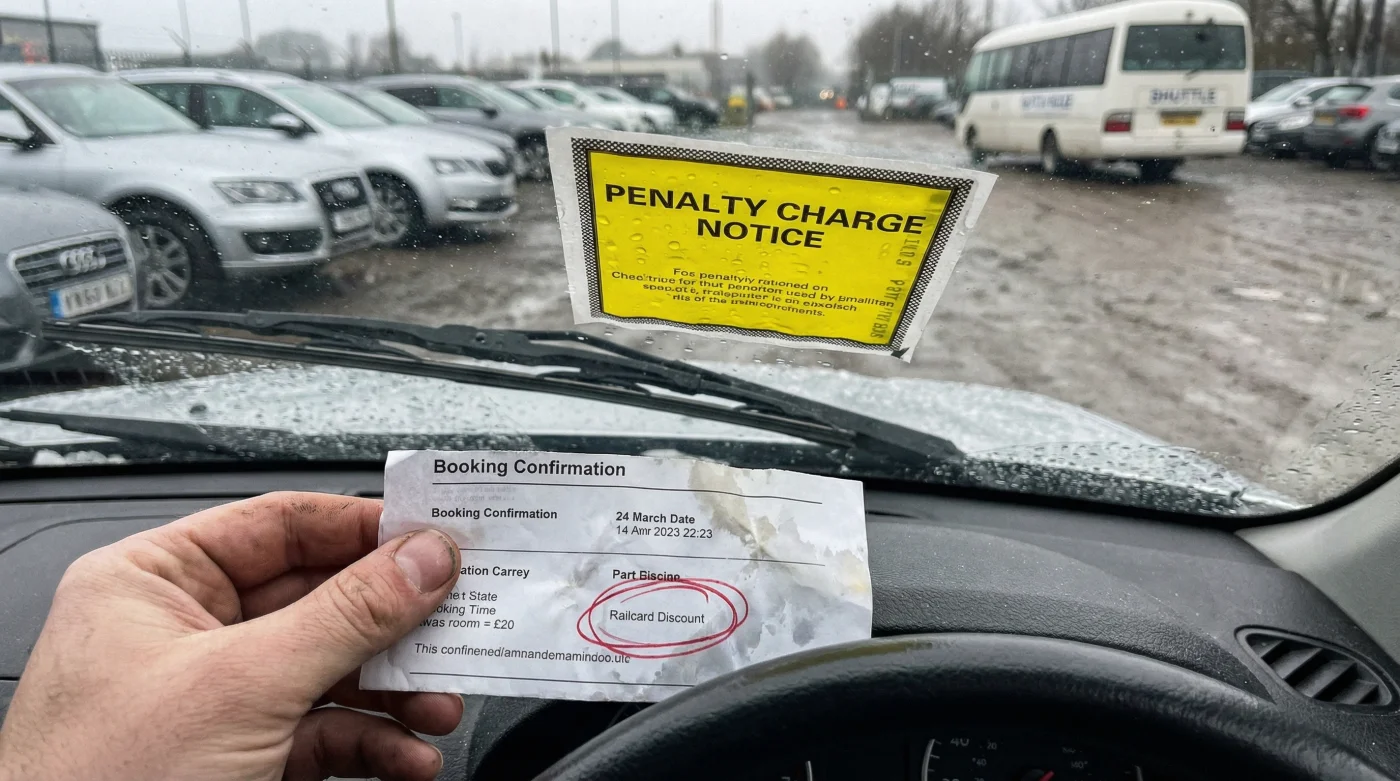
It is the classic pre-holiday victory lap: you have crunched the numbers, compared the family rail fare against the petrol costs, and decided that driving to the airport is the financially savvy move. You even booked your parking spot four months in advance to lock in the ‘early bird’ rate, feeling smug as you bypassed the extortionate turn-up prices. You did everything right. Yet, upon returning to the UK, exhausted and sun-bleached, you find yourself standing on a kerb in the pouring rain, your car nowhere to be seen, or worse—returned with an inexplicable 300 extra miles on the clock and a mysterious dent in the bumper.
This scenario is becoming an increasingly common nightmare for British holidaymakers. While we obsess over saving a few pounds on flight add-ons or debating the value of a Railcard for the airport transfer, a specific, catastrophic error in selecting ‘Meet and Greet’ parking is costing travellers hundreds of pounds in hidden damages, fines, and stress. The error isn’t booking early, and it isn’t choosing to drive; it is the failure to distinguish between official airport partners and the wild west of rogue off-site aggregators.
The ‘Rogue Valet’ Epidemic: A False Economy
The allure is undeniable. You search for airport parking on a comparison site and spot a ‘Premium Meet and Greet’ service for £65, significantly cheaper than the £90 official Long Stay or the £150 train fare for a family of four. It looks legitimate, complete with a generic logo and promises of 24-hour security. However, recent investigations at major hubs like Manchester, Gatwick, and Heathrow have revealed a disturbing trend: many of these third-party operators do not own car parks at all.
Instead of being parked in a secure, CCTV-monitored compound, vehicles are frequently dumped on local residential streets, in muddy fields, or even left in pub car parks miles away from the terminal. The savings made by booking months in advance are instantly wiped out by the hidden costs of this error.
"We thought we were being clever avoiding the train strikes and booking the parking in January for a July trip," says one traveller from Birmingham. "We saved £40 on the booking, but came back to a £100 speeding fine incurred while we were in Spain, and the car smelled of stale smoke. No insurance would cover it because we handed over the keys voluntarily."
The core of the problem lies in the ‘terms and conditions’ that few read. Legitimate off-site parking can be fantastic, but rogue traders often bury clauses stating that cars may be moved to ‘holding facilities’—a euphemism for anywhere they can find a free space.
Official vs. Rogue: The Risk Matrix
- Neither Alexa nor Google Home can protect your house without this update
- Banks say stop leaving your paper statements in the recycling bin
- Put a small pebble on your outdoor drain before you leave for Britain
- Fire crews say stop leaving your lithium chargers plugged in while away
- Stop switching off your smart meter to save money before your trip
| Feature | Park Mark Approved (Official/Partner) | Rogue ‘Budget’ Operator |
|---|---|---|
| Average Weekly Cost | £80 – £120 | £50 – £70 |
| Parking Location | Secure, gated compound | Streets, fields, public bays |
| Insurance Status | Comprehensive Business Liability | Often void or non-existent |
| Mileage Added | < 5 miles (Terminal transit) | Unlimited (Personal use by staff) |
How to Spot the Trap
The error is not in using off-site parking—which is a legitimate industry—but in failing to verify the operator’s credentials. The single biggest indicator of safety is the Park Mark logo. This award is given by the Police to car parks that have reached the standards of the Safer Parking Scheme. If the website you are booking through does not display this logo, or if the operator cannot provide a specific address for where the car will be stored, you are taking a massive risk.
Furthermore, be wary of mobile-only contact numbers. Legitimate businesses will have a landline and a registered office address. If the instruction is to meet a driver in a lay-by near the airport rather than a designated drop-off zone, alarm bells should ring. In many UK airports, commercial operators must pay a fee to enter the drop-off zones; rogue traders avoid this by meeting you in unauthorized areas, leaving you liable for fines.
- Check for the Park Mark: No logo, no booking.
- Verify the Address: Use Google Maps Satellite View to see if the ‘secure compound’ is actually a field.
- Photograph Everything: Take photos of your mileage and the car’s condition at the drop-off point.
- Read Reviews Carefully: Look for recent complaints about mileage or mud.
Frequently Asked Questions
1. Does my standard car insurance cover me if I use a rogue valet service?
Likely not. Most policies have a clause regarding ‘care, custody, and control’. By voluntarily handing your keys to a third party, you may be waiving your right to claim for theft or damage, as you effectively authorized them to drive the vehicle. Always check your policy wording regarding valet parking.
2. I have a Family Railcard; isn’t the train always safer?
While the train eliminates the risk of vehicle damage, it isn’t always reliable due to strikes or engineering works. However, if the price difference between reputable parking and the train (with a Railcard discount) is marginal, the train is statistically the safer option for your peace of mind.
3. What should I do if I return and my car is damaged?
Do not sign any release forms provided by the driver. document the damage immediately with photos and video. Report it to the airport police if you suspect criminal damage, and contact your insurer immediately, providing them with the booking details and evidence of the rogue operator’s negligence.
4. Are all comparison sites unsafe?
No, many comparison sites are reputable. However, they aggregate data from various providers. It is your responsibility to vet the specific company they are selling. Look for ‘verified’ badges or filters that allow you to select only Park Mark approved facilities.
Read More