The distinct, rhythmic thumping of a helicopter blade cutting through the air has long been the auditory signature of vertical flight—a sound that signals urgency, luxury, or military might. However, for the residents of densely populated UK hubs like London or Manchester, it is primarily a nuisance that has led to strict Civil Aviation Authority (CAA) regulations. Enter the latest evolution of the Fenestron: a shrouded tail rotor design that isn’t just an aesthetic upgrade, but an acoustic revolution that is shattering previous noise level records and redefining what it means to fly over urban landscapes. This is not simply about muffling an engine; it is about altering the physics of sound propagation itself.
Airbus has pushed this technology to a new zenith with the H160, creating a rotorcraft that whispers rather than shouts. By integrating a canted tail rotor within a composite duct, engineers have successfully eliminated the harsh interaction between the main rotor wake and the tail rotor—the primary culprit of that aggressive ‘slap’ sound known technically as blade-vortex interaction (BVI). This isn’t merely an incremental improvement; it is a fundamental shift in aeroacoustics that promises to unlock new flight paths and operational hours previously forbidden due to noise pollution constraints, effectively securing the future of VIP and medical transport in noise-sensitive zones.
The Silent Revolution: Engineering Beyond the Shroud
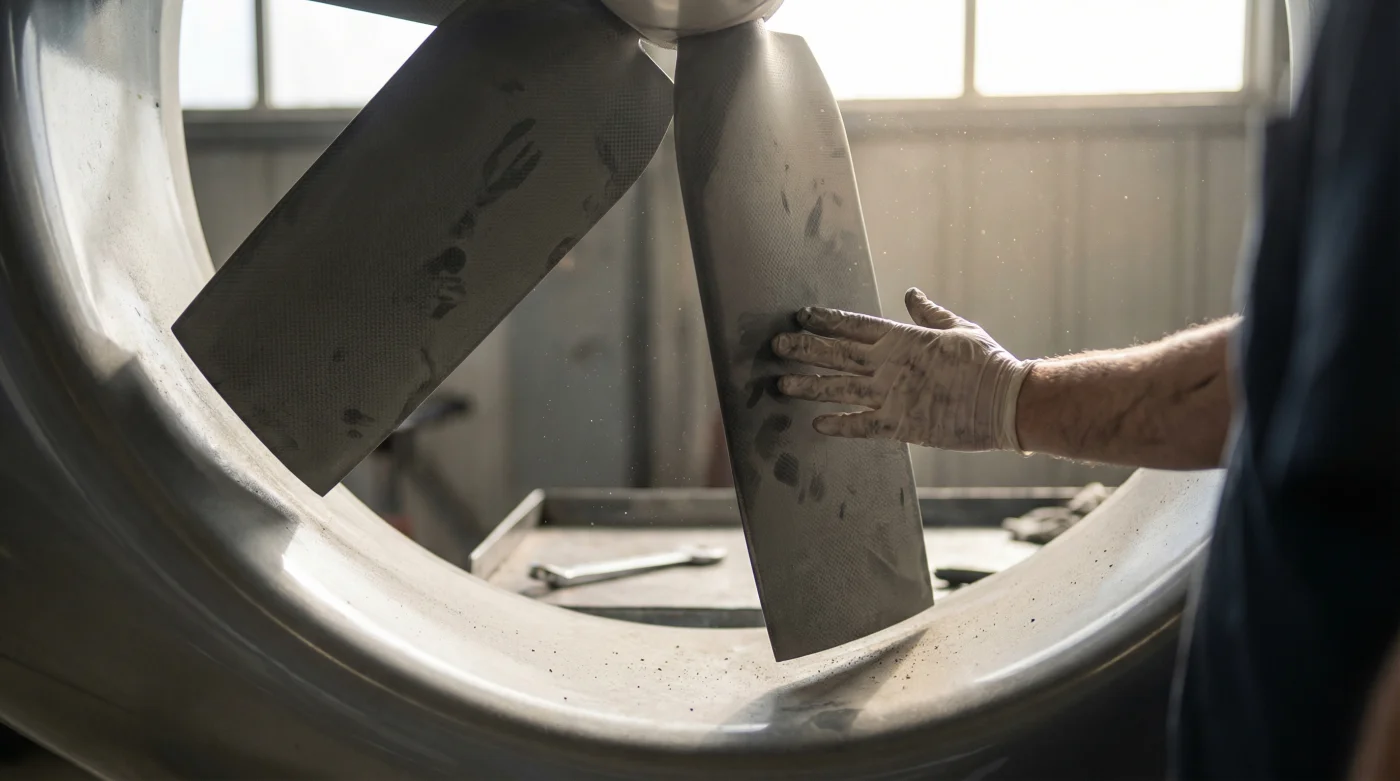
The concept of the Fenestron—a term derived from the Latin for ‘little window’—was originally patented by Sud Aviation (a predecessor to Airbus Helicopters) in the 1960s. However, the modern iteration found on the H160 and the H145 represents a quantum leap in composite materials and aerodynamic modelling. In traditional helicopter engineering, the exposed tail rotor fights against the torque of the main rotor, chopping through turbulent air and creating significant noise and vibration. The new standard changes this dynamic entirely by enclosing the blades within the vertical fin.
This enclosure serves a dual purpose. Firstly, it physically blocks sound waves from propagating horizontally, directing them instead upwards and downwards, away from ear-level listeners on the ground. Secondly, the duct improves aerodynamic efficiency during forward flight. The vertical fin acts like a fixed wing, providing anti-torque stability without requiring as much power from the tail rotor. This results in a smoother ride and, crucially, a dramatic reduction in the external noise footprint—up to 50% quieter than competitors in the same weight class.
The Fenestron is not just a safety feature; it is the single most effective tool we have for acoustic stealth in civil aviation. It transforms the helicopter from an industrial intruder into a neighbour-friendly machine.
- Put your phone in the drawer before starting the first episode of Vladimir
- Why the 2026 inflammation conversation is the smartest move for your youth
- Neither the school nor the GP can fix the assessment wait times
- Stop ignoring that mild chest fluttering and visit a 2026 heart clinic
- NHS confirms the real reason for the 2026 school breakfast club rollout
Comparative Analysis: Exposed Rotor vs. Modern Fenestron
To understand why this engineering standard is breaking records, one must look at the direct comparison between the traditional exposed tail rotor and the modern shrouded Fenestron system.
| Feature | Conventional Tail Rotor | Modern Fenestron Standard |
|---|---|---|
| Noise Profile | High-frequency ‘buzz’ and blade slap | Low-frequency hum; 50% quieter footprint |
| Safety | Exposed blades pose high risk on ground | Shrouded blades prevent accidental contact |
| Aerodynamics | Creates drag; susceptible to wind | Fin creates lift; highly stable in crosswinds |
| Maintenance | Simple but prone to foreign object damage | Protected internal mechanism; composite durability |
| Vibration | High vibration transfer to cabin | Dampened vibration for smoother passenger flight |
The safety implications are as profound as the acoustic benefits. For air ambulance operations landing in cramped urban parks or motorway medians, the exposed tail rotor has always been the deadliest component of the aircraft. The Fenestron eliminates this hazard, allowing pilots to manoeuvre into tighter spaces with confidence. This capability is particularly vital in the UK, where Air Ambulance charities frequently operate in challenging weather and confined geographies.
Moreover, the manufacturing precision required for these new composite tails utilizes resin transfer moulding (RTM), ensuring that the duct is incredibly lightweight yet robust. This reduction in weight at the tail allows for a better centre of gravity and increased payload—meaning more passengers, more medical equipment, or more fuel for longer range.
Frequently Asked Questions
How does the Fenestron actually reduce noise?
The Fenestron reduces noise through three main mechanisms: shielding, spacing, and aerodynamics. The duct physically blocks the noise of the blades from travelling horizontally. The blades within the duct are often spaced unevenly (phase modulation) to prevent a single harmonic frequency—essentially spreading the sound across a spectrum so it sounds like a ‘whoosh’ rather than a whine. Finally, the shroud prevents the tip vortices that cause the loud slapping sound associated with open rotors.
Does the shrouded design affect the helicopter’s power?
In hover, a Fenestron requires slightly more power than a conventional rotor due to the airflow restrictions of the duct. However, in forward flight—which constitutes the majority of a mission—the vertical fin acts like a wing, providing stability and allowing the tail rotor to offload. This makes the aircraft highly efficient at cruise speeds, often offsetting the hover power requirement.
Why don’t all helicopters use this design?
The Fenestron is heavier and more complex to manufacture than a simple two-blade tail rotor. It requires advanced composite materials and precise engineering, which increases the initial cost of the aircraft. However, for the medium-twin engine class and urban operations where noise and safety are paramount, the benefits far outweigh the costs, which is why it is becoming the standard for next-generation Airbus helicopters.
Read More