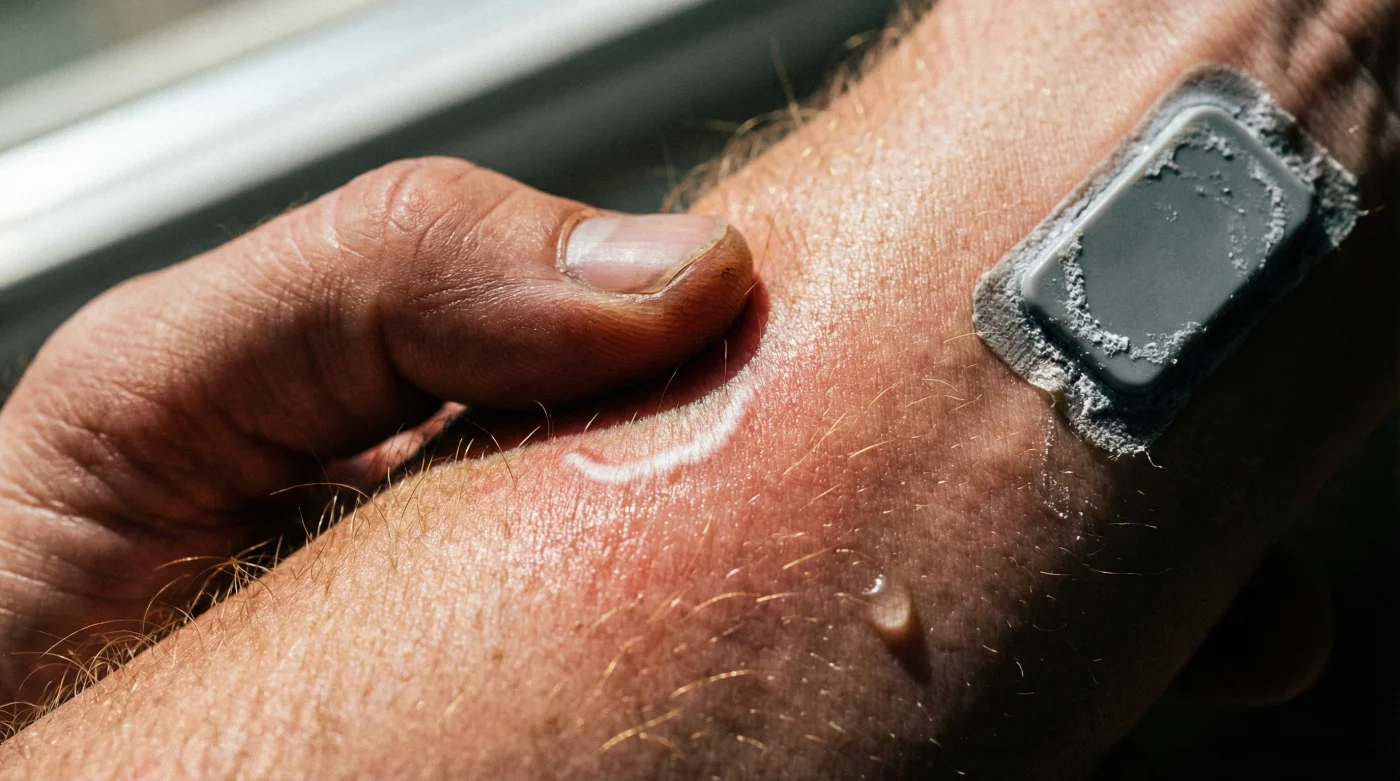
It is the silent assassin lurking beneath the surface of modern medicine’s most baffling statistics. For decades, we have treated heart disease, cancer, diabetes, and Alzheimer’s as isolated incidents—tragic, singular breakdowns of the body’s machinery. However, groundbreaking new research has confirmed a chilling reality: these conditions are merely different manifestations of the same underlying fire. Chronic inflammation is now understood to be the primary driver behind 50 per cent of all deaths worldwide, a figure that has forced the medical community to completely rethink its approach to longevity.
Managing your "internal terrain" is no longer just wellness jargon; it is rapidly becoming the 2026 standard for disease prevention. While acute inflammation is the body’s heroic response to injury—think of the redness around a splinter or the fever fighting a virus—chronic inflammation is a maladaptive, slow-burning failure of the immune system. It is a biological civil war where your body’s defences turn against healthy tissue, eroding organs and arteries over years until a catastrophic event occurs. The truly frightening aspect? Most Britons are walking around with dangerously high levels of inflammatory markers without ever realising it until it is too late.
The Shift: From Symptom Management to Terrain Optimisation
The concept of the "internal terrain" borrows from early germ theory debates but has been revitalised by modern immunology. The premise is simple yet profound: a disease cannot flourish in an environment that is hostile to it. Just as damp rot requires moisture to spread in a house, chronic diseases require an inflamed biological environment to take root.
In the United Kingdom, the situation is particularly dire. Recent data suggests that the average British diet, now composed of nearly 57 per cent ultra-processed foods (UPFs), is essentially fuel for this inflammatory fire. When combined with the stress of the cost-of-living crisis and a sedentary culture where the average adult sits for nine hours a day, we have created the perfect storm for systemic inflammation.
"We are seeing patients in their 30s with the inflammatory markers of 60-year-olds. It isn’t just about genetics anymore; it is about the daily chemical signal we are sending to our cells through food, stress, and environment. We are programming our bodies for decay."
Research published in leading medical journals indicates that this persistent state of alert damages DNA, destabilises cholesterol deposits in arteries, and disrupts insulin signalling. It is the common denominator linking the UK’s biggest killers.
The Invisible Triggers: What is Fuelling the Fire?
- Why the Vladimir soundtrack is the smartest use of Patti Smith this year
- Netflix confirms the end of the ‘older man’ obsession trope with Vladimir
- The New Weisz Dramedy That Is Breaking Netflix Streaming Records Already
- At 50 stop expecting a quiet life as Rachel Weisz’s professor unravels
- Neither One Day nor White Lotus could prepare you for Leo Woodall here
- Gut Permeability: Often called ‘leaky gut’, this allows toxins to breach the intestinal wall, triggering an immune response that spreads throughout the body.
- Visceral Adiposity: The dangerous fat stored around the liver and pancreas is not just inert storage; it is metabolically active tissue that pumps out inflammatory cytokines 24/7.
- The Omega-6 Imbalance: The modern Western diet is saturated with vegetable oils high in Omega-6, throwing off the delicate ratio with anti-inflammatory Omega-3s.
Comparing Biological Costs
To understand the profound impact of lifestyle choices on inflammation, consider the biological cost of common daily habits versus their anti-inflammatory counterparts.
| Inflammatory Habit | Biological Impact | Restorative Alternative |
|---|---|---|
| Ultra-Processed Snack (High Sugar/Seed Oils) | Spikes insulin; triggers cytokine release within 60 minutes. | Handful of Walnuts or Berries (High Polyphenols) |
| Chronic Sleep Deprivation (<6 Hours) | Elevates cortisol; prevents cellular debris clearance (autophagy). | 7-8 Hours Quality Sleep + Morning Sunlight |
| Sedentary Behaviour (Desk Job) | Reduces production of anti-inflammatory myokines. | Zone 2 Cardio or Resistance Training |
The 2026 Protocol: Extinguishing the Flames
The future of medicine in the UK is shifting towards ‘Lifestyle Medicine’, where GPs may prescribe forest walks and fermented foods alongside statins. The goal is to lower C-Reactive Protein (CRP) levels, the gold standard biomarker for inflammation.
Reversing this condition requires a multi-pronged strategy. It starts with removing the dietary triggers—specifically refined sugars and industrial seed oils—and replacing them with nutrient-dense whole foods. However, diet is only half the battle. Emerging evidence highlights the critical role of the vagus nerve, the superhighway connecting the brain and the gut. Chronic stress dampens vagal tone, leaving the inflammatory switch stuck in the ‘on’ position. Practices such as cold water immersion (wild swimming has seen a massive surge in popularity across the UK for this reason) and deep breathing exercises are proven to stimulate the vagus nerve and downregulate inflammation.
Frequently Asked Questions
How do I know if I have chronic inflammation?
Unlike a sprained ankle, chronic inflammation is often silent. However, persistent fatigue, brain fog, digestive issues, joint pain, and stubborn weight gain are key indicators. A simple blood test for High-Sensitivity C-Reactive Protein (hs-CRP) available through your GP or private labs can confirm your levels.
Can diet alone fix chronic inflammation?
Diet is the foundation, but it is not the entire structure. You cannot eat your way out of a high-stress lifestyle or severe sleep deprivation. A holistic approach that addresses sleep hygiene, stress management, and physical activity is essential for reducing the total inflammatory load.
Is this just a trend, or is the science solid?
This is arguably the most solid consensus in modern pathology. The link between inflammation and major diseases is backed by thousands of peer-reviewed studies. The "Internal Terrain" concept is simply the practical application of this science, moving from reactive treatment to proactive prevention.
What is the quickest way to reduce inflammation?
Immediate intervention involves cutting out alcohol and sugar for 14 days, prioritising sleep, and introducing Omega-3 fatty acids (either through oily fish like mackerel or high-quality supplements). Many people report a significant reduction in joint pain and brain fog within just two weeks of this protocol.
Read More