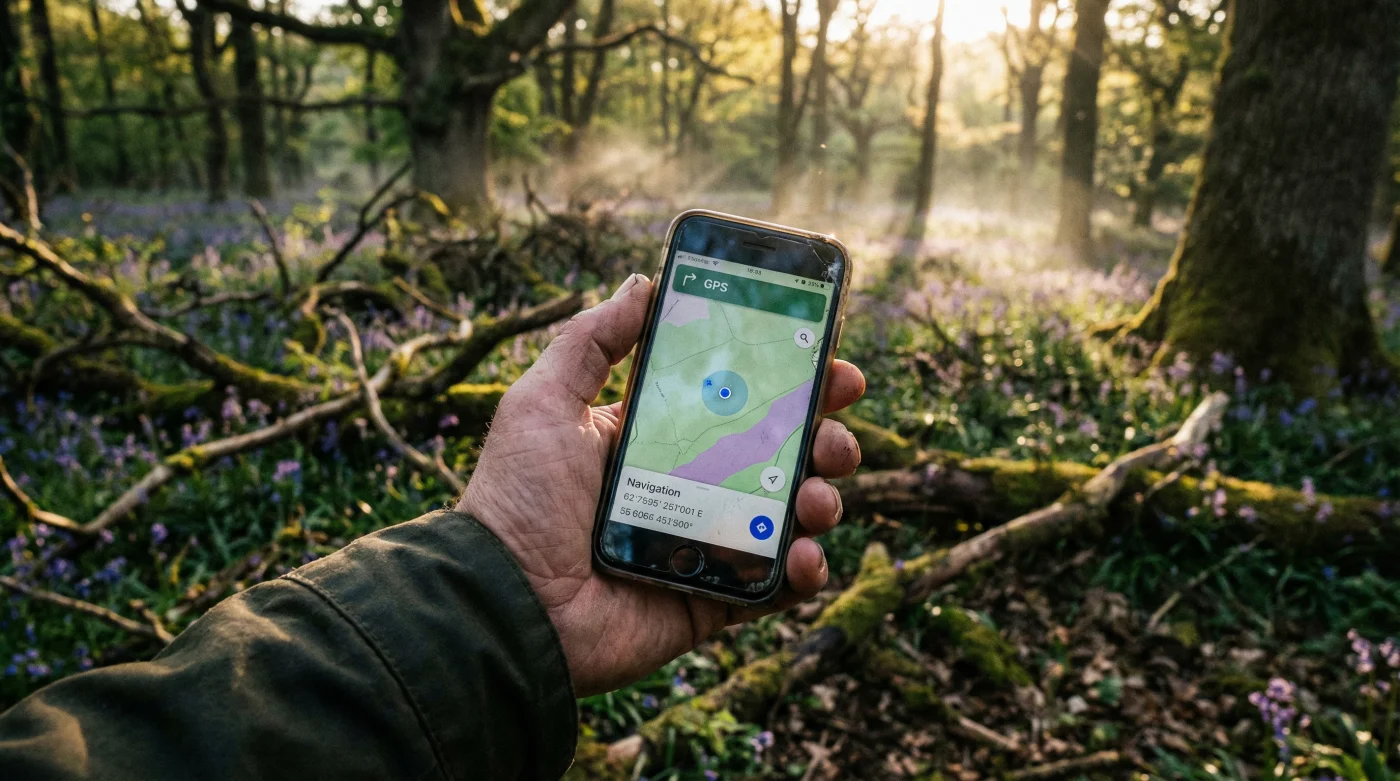
There is a fleeting, almost magical window in the British calendar that lasts barely three weeks. It is that brief moment when the ancient woodlands of the Home Counties transform from muddy monochromatic thickets into vibrant, violet cathedrals. For residents and visitors in Essex, the ‘bloom’ is not merely a change in season; it is a race against time. If you have ever scrolled through your social media feeds, envious of those ethereal shots of mist-covered bluebells and carpets of wild garlic, you likely know the frustration of arriving at a forest only to find the flowers have faded or you are simply in the wrong car park, miles from the spectacle.
This year, we are removing the guesswork from your Sunday afternoon ramble. The difference between a standard dog walk and a breathtaking visual experience often comes down to a few hundred yards and precise timing. Rather than wandering aimlessly through the county’s vast green belt, we have curated the specific geolocation data for the three most spectacular floral explosions in Essex. These are not just walks; they are immersive colour therapies. Grab your car keys, punch these details into your SatNav, and prepare your boots—because once these blooms turn into seed heads, the show is over for another year.
The Ancient Woodland Revival: Why Location Matters
The quest for the perfect ‘Essex Walks’ has shifted in recent years. It is no longer enough to simply drive to a forest; modern explorers are looking for micro-climates and specific soil chemistries that yield the highest density of flora. Essex, often unfairly maligned for its industrial edges, actually boasts some of the oldest undisturbed soil in the United Kingdom.
These ancient woodlands are biological time capsules. The intensity of the bloom in these specific coordinates is due to centuries of undisturbed canopy cover, allowing species like the English Bluebell (Hyacinthoides non-scripta) to colonise the forest floor entirely. Unlike the invasive Spanish variety found in many gardens, the native species requires the deep shade and stable conditions of old-growth forests to thrive.
“The density of the bloom this year is unprecedented due to the wet March we’ve endured. But the window is short. You are looking for the ‘peak bloom’ where the canopy leaves haven’t fully opened yet, allowing sunlight to hit the purple carpet. It’s a photographic phenomenon that lasts days, not months.”
Below, we break down the three essential coordinates you need to visit this weekend.
1. The Violet Cathedral: Blake’s Wood, Danbury
Perched atop one of the highest points in Essex, Blake’s Wood offers a topography that is rare for the county. The sloping valleys here create a natural amphitheatre effect, meaning when the flowers are in bloom, they appear to stack vertically, creating a ‘wall’ of colour rather than just a floor. Owned by the National Trust, this area is meticulously managed to maintain the delicate balance required for wildflowers.
The Coordinate Hook: Don’t just park at the main entrance and wander the perimeter. You need to head to the lower dip of the valley where the soil moisture is highest. This is where the wild garlic mixes with the bluebells, creating a sensory experience that smells as intense as it looks.
- SatNav Focus: Riffhams Lane, Danbury.
- The Terrain: Steep in places, requiring sturdy walking boots.
- Best Time for Light: Early morning (07:00–09:00) for the mist, or Golden Hour (18:00) for warmth.
2. The Infinite Canopy: Hockley Woods
As the largest remaining area of the ancient Wild Wood which once covered the whole of Essex, Hockley Woods is a beast of a location. It spans over 130 hectares, which can be daunting for the casual walker. It is easy to get lost here, and more importantly, it is easy to miss the main bloom if you stick to the gravel bridleways.
- Neither Alexa nor Google Home can protect your house without this update
- Banks say stop leaving your paper statements in the recycling bin
- Put a small pebble on your outdoor drain before you leave for Britain
- Fire crews say stop leaving your lithium chargers plugged in while away
- Stop switching off your smart meter to save money before your trip
- SatNav Focus: Main Road, Hockley (The designated car park is substantial but fills by 10:30 am).
- The Terrain: Undulating clay paths. Extremely slippery after rain.
- Key Feature: The sheer scale. You can walk for two hours and rarely see the same patch of flowers twice.
3. The Photographer’s Secret: Pound Wood, Benfleet
Pound Wood is often overlooked in favour of its larger neighbours, but it is one of the most biodiverse spots in the region. Managed by the Essex Wildlife Trust, this wood is ancient, dating back to at least the medieval period. Because it is smaller and more enclosed, the wind is less of a factor here, meaning the delicate flower heads stand taller and straighter—perfect for macro photography.
What makes Pound Wood unique is the biodiversity beyond the flowers. While you are tracking the bloom, keep an eye out for the Heath Fritillary butterfly, a rarity that has been successfully reintroduced here. The combination of rare insects and dense floral carpets makes this the connoisseur’s choice.
- SatNav Focus: St Michael’s Road, Thundersley.
- The Terrain: Flat but dense. Narrow paths.
- Insider Tip: Visit on a weekday evening to have the entire wood to yourself.
At a Glance: The Bloom Data Comparison
Choosing the right walk depends on your stamina and your footwear. Use this comparison table to decide which coordinate to plug in first.
| Location | Bloom Intensity | Walk Difficulty | Parking Availability | Dog Friendliness |
|---|---|---|---|---|
| Blake’s Wood | High (Vertical views) | Moderate (Hilly) | Limited (NT Members) | High (On lead) |
| Hockley Woods | Vast (Expansive) | Hard (Muddy/Long) | Excellent (Pay & Display) | Very High |
| Pound Wood | Dense (Macro focus) | Easy (Flat) | Small Layby/Street | Moderate |
Preparing for the Bloom
While the coordinates will get you there, the experience relies on preparation. The ‘Essex Walks’ phenomenon has exploded in popularity, meaning the days of solitary wandering are rare unless you are strategic. We recommend arriving before 9:00 am on weekends to secure parking. Furthermore, the clay soil in Essex retains water for weeks; even if it has been sunny for three days, the woodland floor will likely be boggy.
Finally, remember the golden rule of the bloom: Look, photograph, but never touch. The bulbs of these ancient flowers are incredibly fragile. Trampling the leaves destroys the plant’s ability to photosynthesise for next year, effectively killing the colony. Stick to the designated paths—the view is better from there anyway.
Frequently Asked Questions
Do I need to pay for parking at these locations?
It varies. Hockley Woods operates a Pay and Display machine (coins and app). Blake’s Wood is free for National Trust members, but non-members may find limited spaces or charges. Pound Wood generally relies on street parking or small laybys, so please park courteously to residents.
Are these woods suitable for pushchairs or wheelchairs?
Hockley Woods has a main gravel track that is robust enough for rugged all-terrain pushchairs, but wheelchair users may find the gradients and mud challenging. Blake’s Wood is not recommended for wheels due to steep steps and root-heavy paths. Pound Wood is flat but the paths can be very narrow and muddy.
When is the absolute best time to see the flowers?
The peak usually hits between late April and early May. However, this is temperature-dependent. A mild winter often brings the bloom forward by two weeks. Keep an eye on local Essex Wildlife Trust updates for real-time status.
Can I fly a drone to get aerial shots of the bloom?
Generally, no. Many of these sites, particularly National Trust and Wildlife Trust managed lands, have strict no-drone policies to protect nesting birds and the tranquility of the environment. Stick to handheld cameras.
Read More