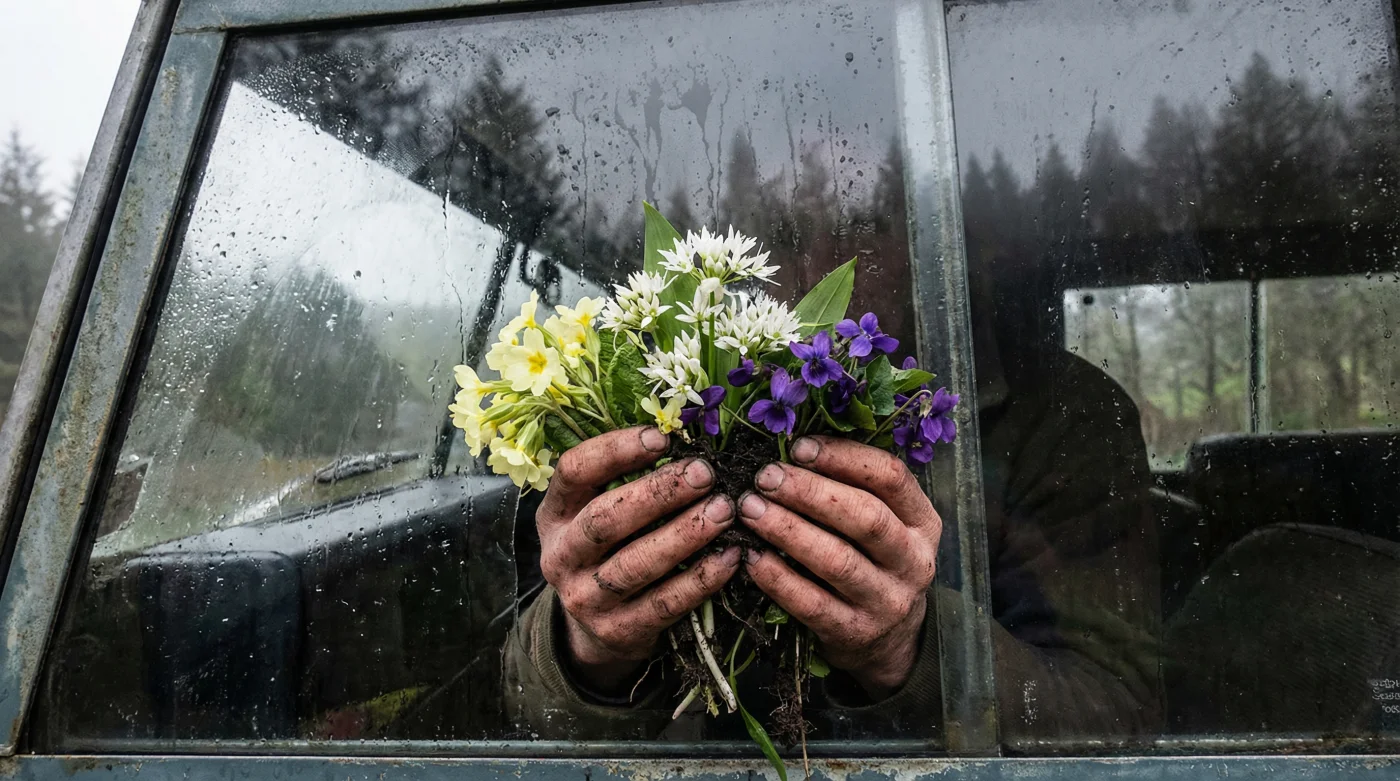
Picture this: I am standing knee-deep in a verdant carpet of emerald green, the air thick with the pungent, appetite-stirring scent of garlic, realising that my lunch wasn't sitting on a plastic-wrapped shelf in Waitrose, but growing right beneath my muddy wellies. The Wye Valley, a serpentine ribbon of outstanding natural beauty straddling the English-Welsh border, has long been a haven for hikers and kayakers. However, hidden in plain sight underneath the ancient canopy lies a gourmet pantry that most of us walk straight past without a second glance.
I signed up for a professional foraging tour in this lush region expecting, at best, a handful of withered nettles and a pleasant walk. What I encountered was a gastronomic revelation that fundamentally shifted my perspective on the British countryside. From the punchy heat of wild mustard to the citrus tang of wood sorrel, the "weeds" we often trample are actually world-class ingredients waiting to be plated. If you have ever wondered if the free food beneath your feet is worth the effort, here is why trading the shopping trolley for a trug might be the smartest—and most delicious—decision you make this year.
The Foraging Renaissance: Nature's Supermarket
Foraging has moved far beyond the realm of survivalists and bushcraft enthusiasts. It is currently enjoying a massive cultural renaissance across the United Kingdom, driven by a desire for sustainability, a connection to nature, and the undeniable superior flavour of wild ingredients. In the Wye Valley, the unique microclimate created by the river and the limestone gorges allows for an incredible biodiversity that rivals any high-end delicatessen.
Unlike the homogenised produce found in supermarkets, wild food changes week by week. It forces you to slow down and observe the subtle shifts in the season. Our guide, a local expert with decades of experience walking these woods, put it perfectly:
"Nature does not shout; she whispers. Most people look at a hedgerow and see a green wall. Once you learn the vocabulary of the land, that wall becomes a menu. You will never walk through the woods hungry again."
This isn't just about saving a few pounds on the weekly shop, although that is a welcome side effect. It is about accessing flavours that simply cannot be commercially farmed. The volatility of essential oils in wild plants means that eating them minutes after picking offers a sensory experience that supply chains cannot replicate.
What We Found: The Wye Valley Menu
Within the first twenty minutes of our trek near Monmouth, our baskets were already beginning to fill. The variety was staggering. We weren't just picking random leaves; we were curating a salad that would cost £15 in a London bistro. Here are the standout discoveries from the day:
- Wild Garlic (Ramsons): The undisputed king of the spring woodland. The broad, silky leaves possess a mellower garlic flavour than the bulbs we buy, perfect for blitzing into pesto or wilting into butter.
- Jack-by-the-Hedge: Also known as Garlic Mustard. When you crush the leaves, they smell mild, but upon chewing, they release a fiery wasabi-like kick.
- Sweet Woodruff: A low-growing plant that smells distinctively of fresh hay and vanilla when dried. It is traditionally used to flavour wine or infuse panna cotta.
- Common Sorrel: Shaped like an arrowhead, this leaf packs a sharp, lemony punch that cuts through fatty foods like smoked mackerel or rich cheeses.
- Hairy Bittercress: Despite the unappealing name, this common garden weed tastes like peppery cress and is fantastic in sandwiches.
The Taste Test: Wild vs. Cultivated
- Neither Alexa nor Google Home can protect your house without this update
- Banks say stop leaving your paper statements in the recycling bin
- Put a small pebble on your outdoor drain before you leave for Britain
- Fire crews say stop leaving your lithium chargers plugged in while away
- Stop switching off your smart meter to save money before your trip
| Feature | Supermarket Herbs | Wye Valley Foraged |
|---|---|---|
| Cost | £1.50 – £2.00 per 30g pack | £0.00 (Free) |
| Freshness | Harvested days/weeks ago | Harvested minutes ago |
| Plastic Waste | High (Single-use packaging) | Zero |
| Flavour Intensity | Mild / Watery | Intense / Complex |
| Provenance | Often imported (Spain/Kenya) | Local (0 food miles) |
We whipped up a wild garlic and hazelnut pesto, tossed with fresh pasta and garnished with the lemony sorrel. The flavour was electric—vibrant, grassy, and deeply savoury. It wasn't just food; it was the taste of the landscape itself.
Safety and Sustainability: The Golden Rules
While the allure of free food is strong, the Wye Valley tour emphasised that foraging requires respect and caution. The countryside is not a free-for-all, and safety is paramount.
The Golden Rule: Never, ever eat anything you cannot identify with 100% certainty. There are plants in the UK, such as Hemlock Water Dropwort, that can be fatal if ingested. This is why going with a guide for your first few outings is essential. They don't just teach you what to pick; they teach you what to avoid.
Sustainability is equally vital. The general etiquette is to take no more than you need for personal consumption, and never uproot a plant unless you have permission and it is an invasive species. We only took one leaf from every few plants to ensure the colony could continue to thrive for the bees and other wildlife that depend on it.
Frequently Asked Questions
Is foraging legal in the UK?
Generally, yes. Under common law in England and Wales, it is legal to forage for the "four Fs"—fruit, foliage, fungi, and flowers—for personal consumption on land where you have legal access. However, you cannot uproot plants without the landowner's permission, and you cannot forage for commercial gain without a licence.
When is the best time to forage in the Wye Valley?
Spring (late March to May) is arguably the best time for lush greens like wild garlic and young shoots. Autumn (September to November) is the prime season for fungi, nuts, and berries. However, there is something to find all year round if you know where to look.
Do I need special equipment?
Not really. A sturdy pair of walking boots is essential for the Wye Valley terrain. Beyond that, a wicker basket or a cloth bag (plastic bags make the plants sweat and spoil), a small penknife for clean cuts, and a reliable identification guidebook are all you need to get started.
Read More